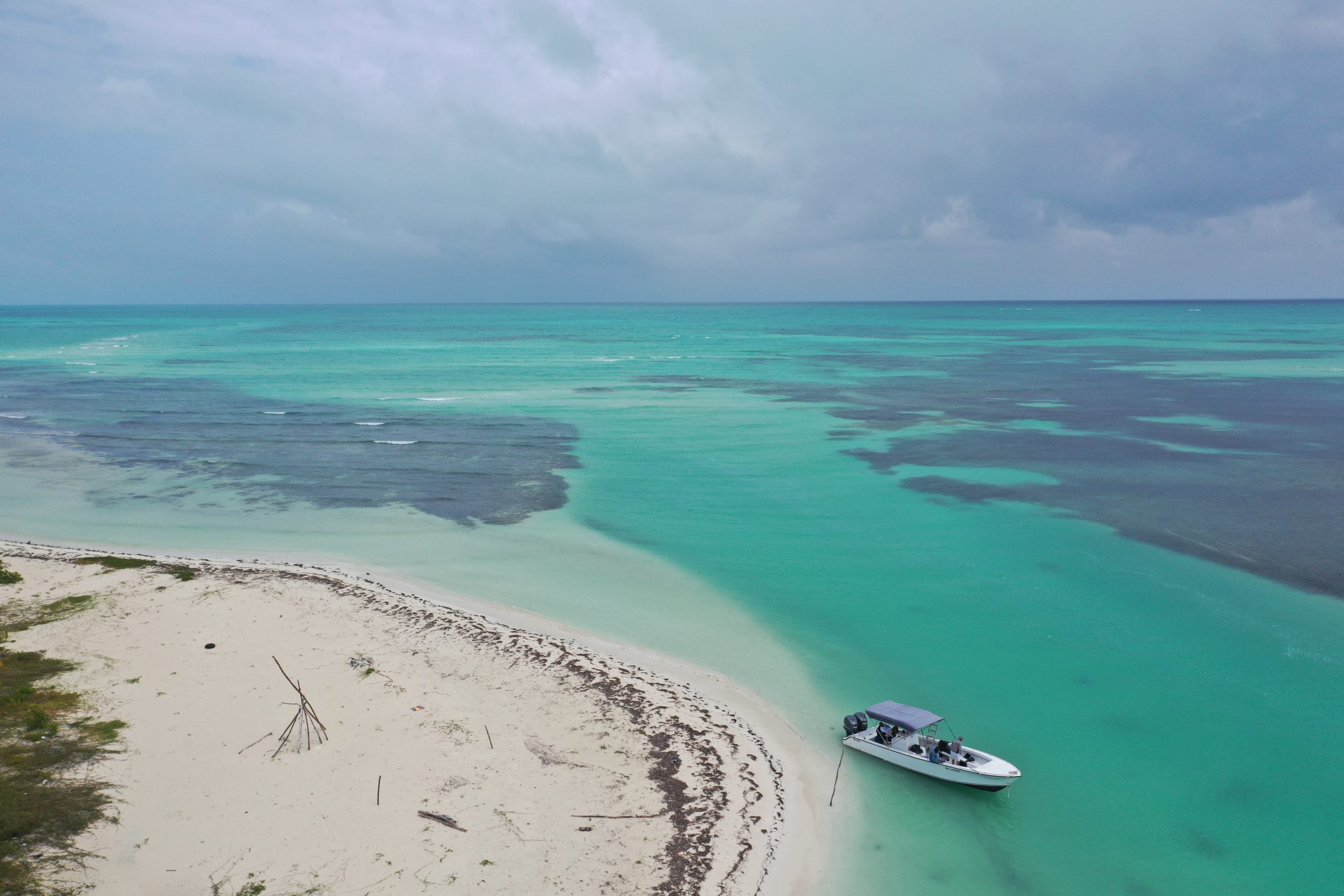
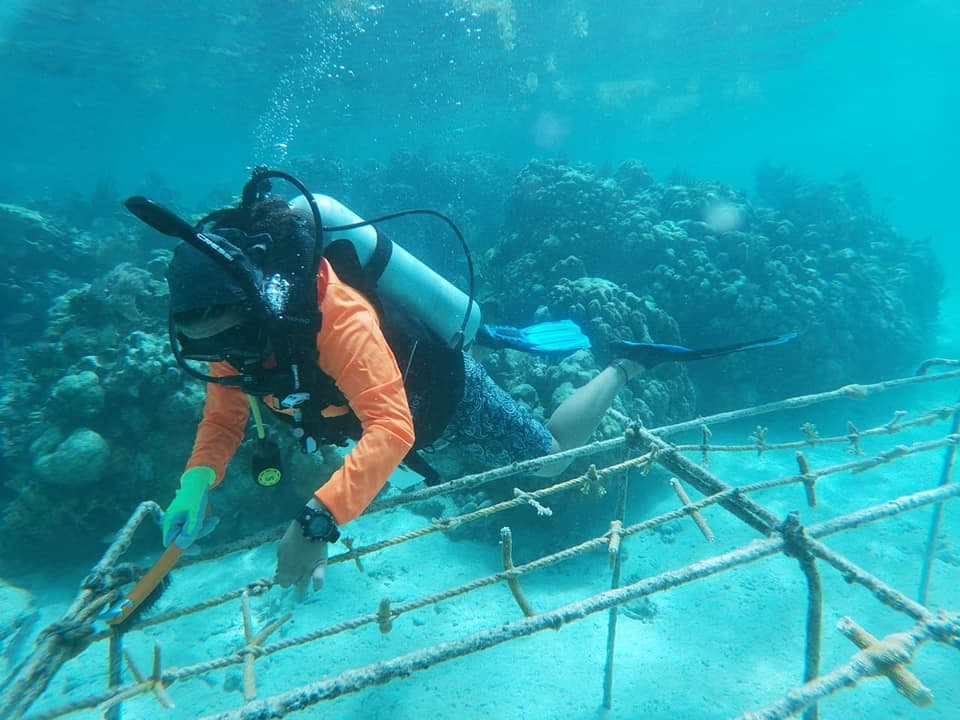
Ocean and coastal tourism is a key driver of Belize’s Blue Economy, generating thousands of jobs and contributing nearly 40% of the country’s GDP. The Belize Barrier Reef, a UNESCO World Heritage Site stretching 300 km along the coast, attracts visitors from around the world and generates over $200 million annually through activities like snorkeling, diving, and eco-tourism. In 2019, more than 1.68 million tourists visited Belize, with marine tourism as a top attraction. To protect this valuable resource, Belize is implementing a National Sustainable Tourism Master Plan focused on balancing economic growth with environmental protection.
Marine Energy
Belize holds significant potential for marine renewable energy, especially in offshore wind, tidal, and wave power. Currently dependent on imported fossil fuels, the country is exploring clean energy alternatives to support sustainable development. Studies show that Belize’s offshore wind capacity alone could generate over 1,000 MW, far exceeding current energy needs. Feasibility studies are underway to assess large-scale marine energy projects, which could reduce electricity costs, lower emissions, and increase energy security.
Marine Biotechnology
Marine biotechnology is an emerging sector that offers opportunities for innovation, research, and high-value job creation. Belize’s diverse marine ecosystems host seaweeds, sponges, and corals with compounds showing antibacterial, antiviral, and anti-cancer properties. As the global marine biotech industry grows—projected to reach $6.4 billion by 2027—Belize is well-positioned to become a leader in developing sustainable marine-based products for pharmaceuticals, nutraceuticals, and cosmetics.
Aquaculture & Fisheries
Fisheries and aquaculture are vital to Belize’s economy and food security, supporting over 17,000 people and contributing 12% of total exports. Key products include lobster, conch, and shrimp. Belize is internationally recognized for its sustainable fisheries management, including quotas, seasonal bans, and no-take zones. In 2021, it became the first country to implement a nationwide Managed Access Program. Aquaculture is also growing, with seaweed farming projected to exceed 500 metric tons annually by 2030. International partnerships, such as a $7 million IDB initiative, are strengthening the sector while preserving marine resources.
Maritime Transport & Shipping
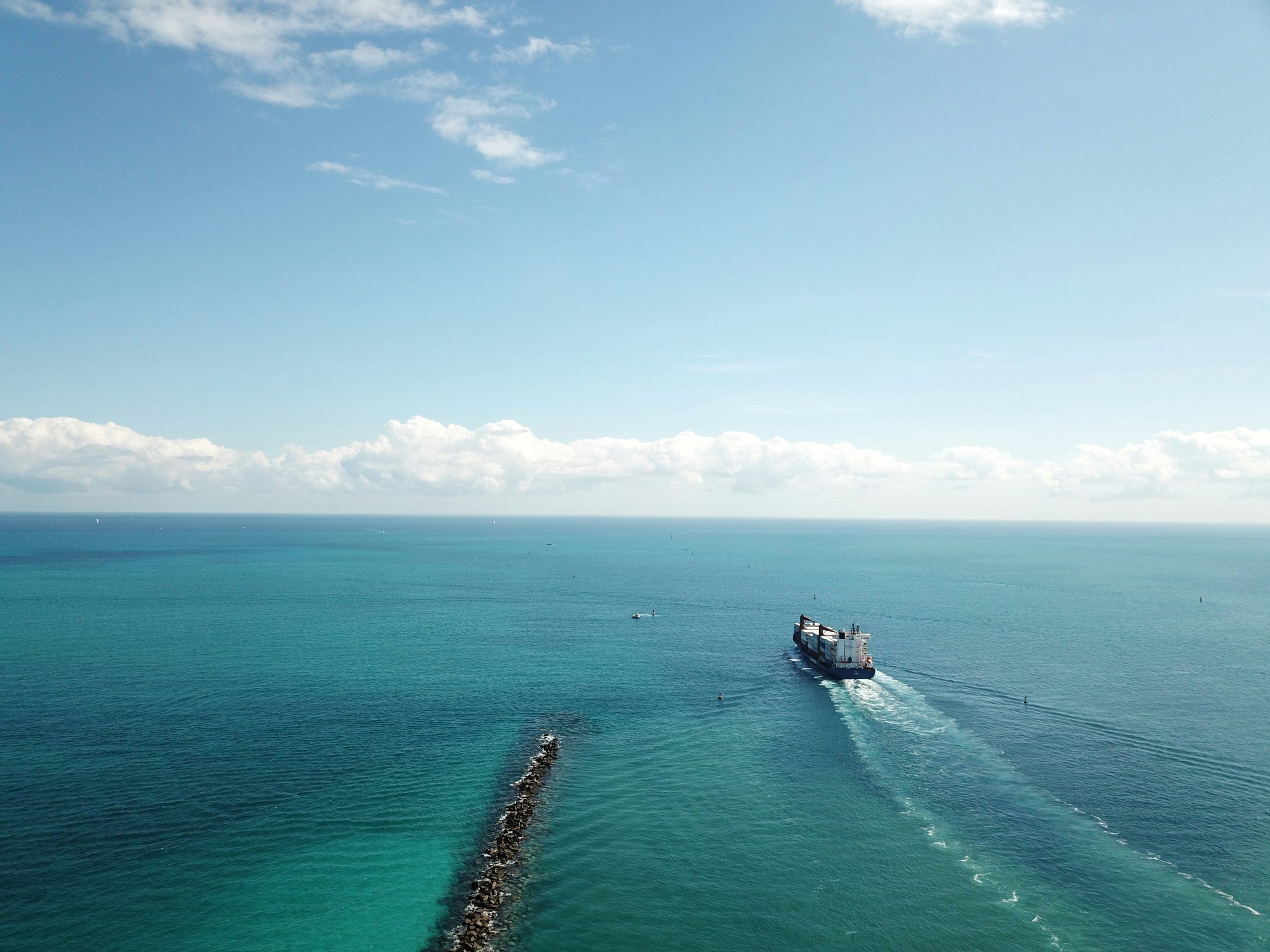
Maritime transport is essential to Belize’s trade and economic resilience, with around 95% of exports and imports moving through ports like Port of Belize, Big Creek, and Commerce Bight. Major exports include seafood, sugar, and citrus. The government is investing in port modernization to improve efficiency and competitiveness. In parallel, efforts are being made to reduce emissions through green port initiatives and cleaner fuels, ensuring that maritime transport continues to support economic growth while protecting the marine environment.