Belize’s transition to a sustainable Blue Economy is guided by a foundation of national policies, strategies and plans that reflect our commitment to sustainable and responsible ocean governance. These frameworks provide the vision, structure, and direction needed to ensure that the use of marine and coastal resources supports economic growth, environmental protection, and local communities.
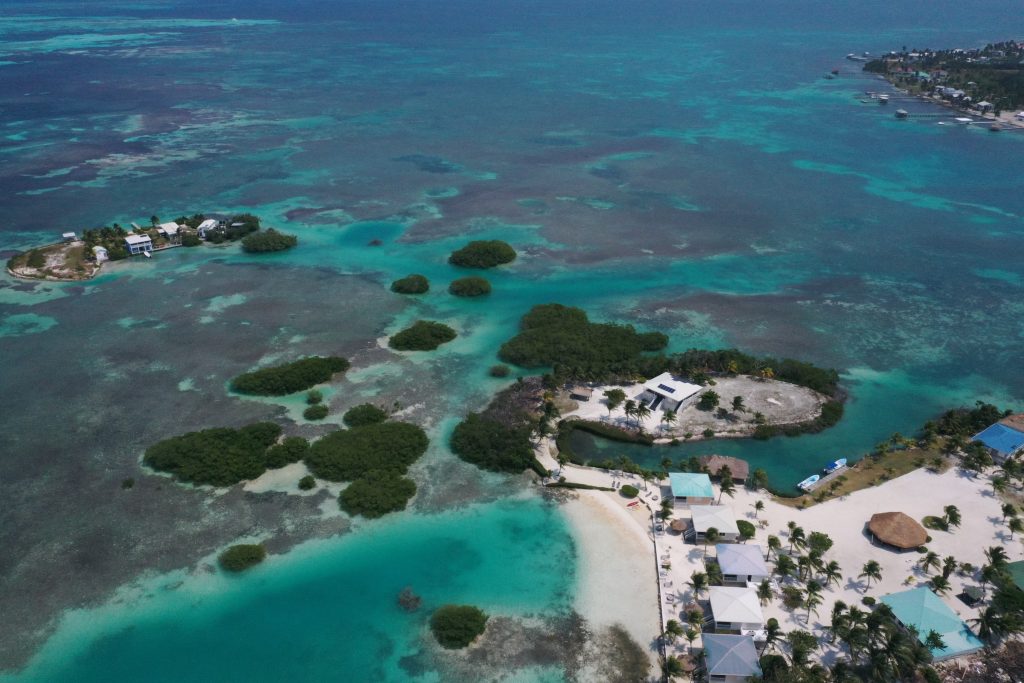
The Belize Blue Economy Development Policy, Strategy and Implementation Plan (2022–2027) serves as Belize’s national roadmap for building a sustainable, inclusive, and resilient ocean-based economy. It aims to shift from fragmented, sector-specific marine management to an integrated, multi-sectoral approach that promotes economic growth but supports ecosystem health and human well-being. The plan is anchored on the following four priority areas: strengthening governance through legal and institutional reforms; creating incentives to promote sustainable investments in both established and emerging blue economy sectors; building national capacity through education, research, and skills development; and resource mobilization through innovative financing mechanisms like blue bonds.
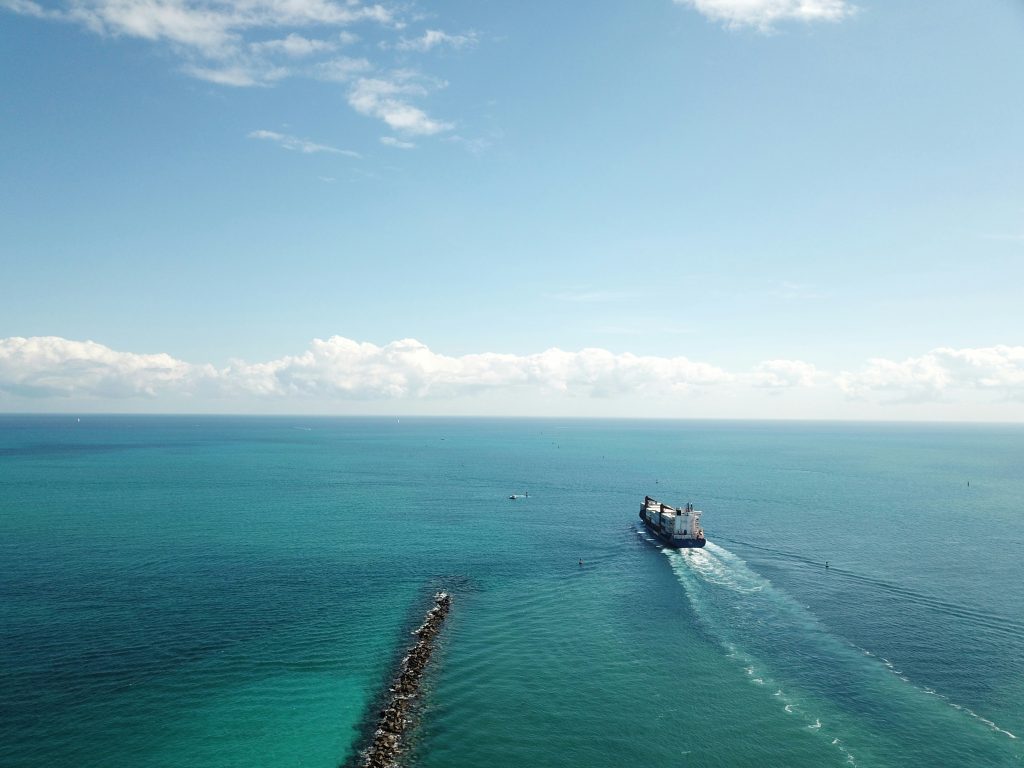
The Belize Maritime Economy Plan is a strategic document focused on guiding sustainable economic development within Belize’s marine area. It emphasizes blue economy opportunities and risks, aiming to support financial and policy decisions that foster sustainable growth in sectors like fisheries, renewable energy, and marine tourism. Unlike a marine spatial plan, it does not regulate specific activities or manage spatial use but instead serves as a financial and economic roadmap, identifying where investments and financial tools such as blue bonds or user access fees could support sector development. The plan complements broader frameworks like the National Ocean Policy and Marine Spatial Plan, providing economic direction to help organize resources, coordinate agencies, and improve decision-making for Belize’s maritime economy.
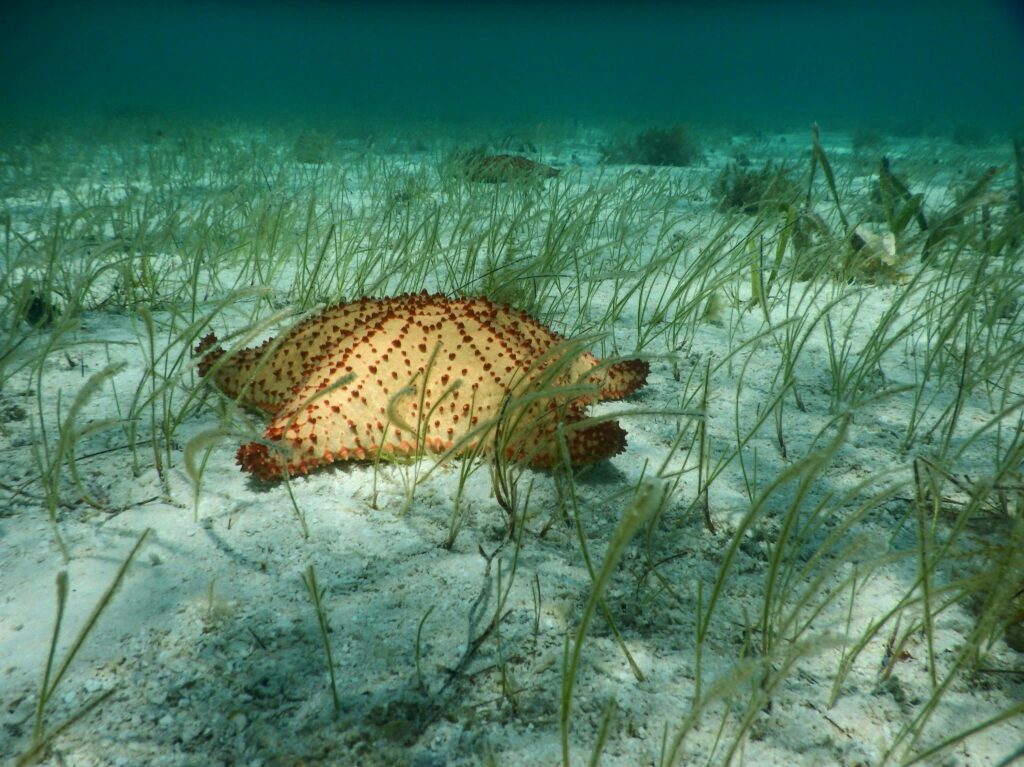
The Belize Sustainable Ocean Plan (BSOP) is a national framework being developed as part of Belize’s commitments under its blue bond agreement with the Nature Conservancy. The BSOP process involves analyzing and mapping ocean uses to coordinate where activities occur, ensuring more effective management of Belize’s marine space. Through an inclusive, science-based, and participatory process, the BSOP aims to balance economic activities, reduce sectoral conflicts, and promote the sustainable use of marine resources. The BSOP is being led by the Coastal Zone Management Authority and Institute under the Ministry of Blue Economy and Marine Conservation, and it is expected to be completed by 2027 in fulfillment of the conservation milestones under the Blue Bond Agreement.
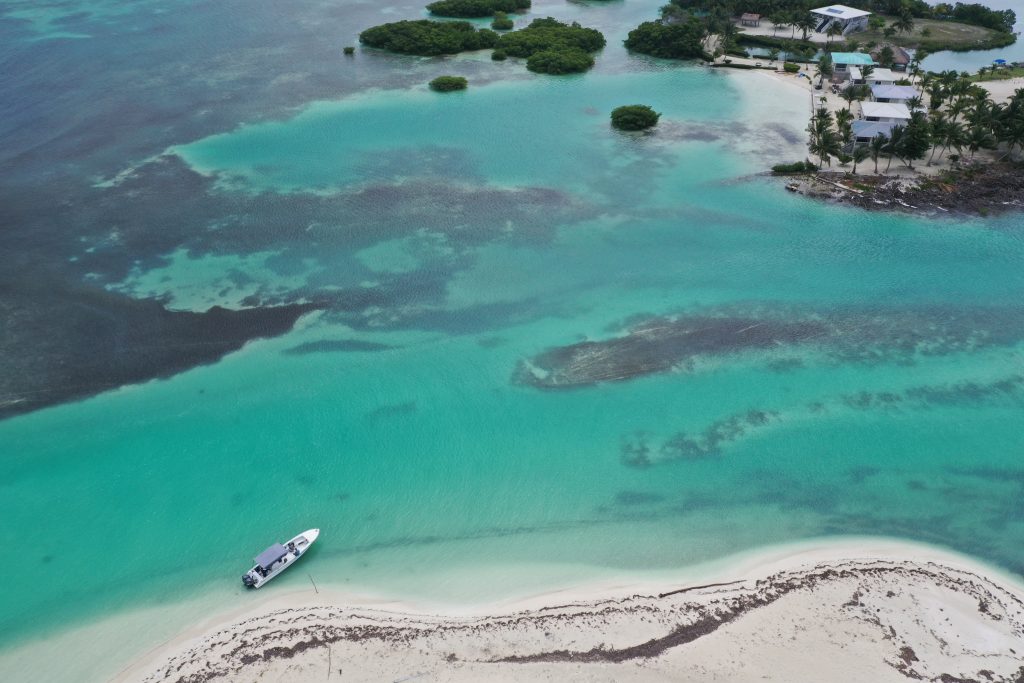
The Coastal Zone Management (CZM) Act, passed in 1998, serves as Belize’s primary legal framework for improving the governance and sustainable management of its coastal resources. The Act establishes the foundation for integrated coastal zone management (ICZM) and mandates the development and implementation of a national coastal zone management plan. Responsibility for implementing coastal zone management lies with the Coastal Zone Management Authority and Institute (CZMAI), as designated by the Act. It also grants CZMAI the authority to regulate and license sport fishing activities within Belize’s territorial waters. The CZM Act is currently being revised, and it is expected to be completed by 2025 in fulfillment of the conservation milestones under the Blue Bond Agreement.
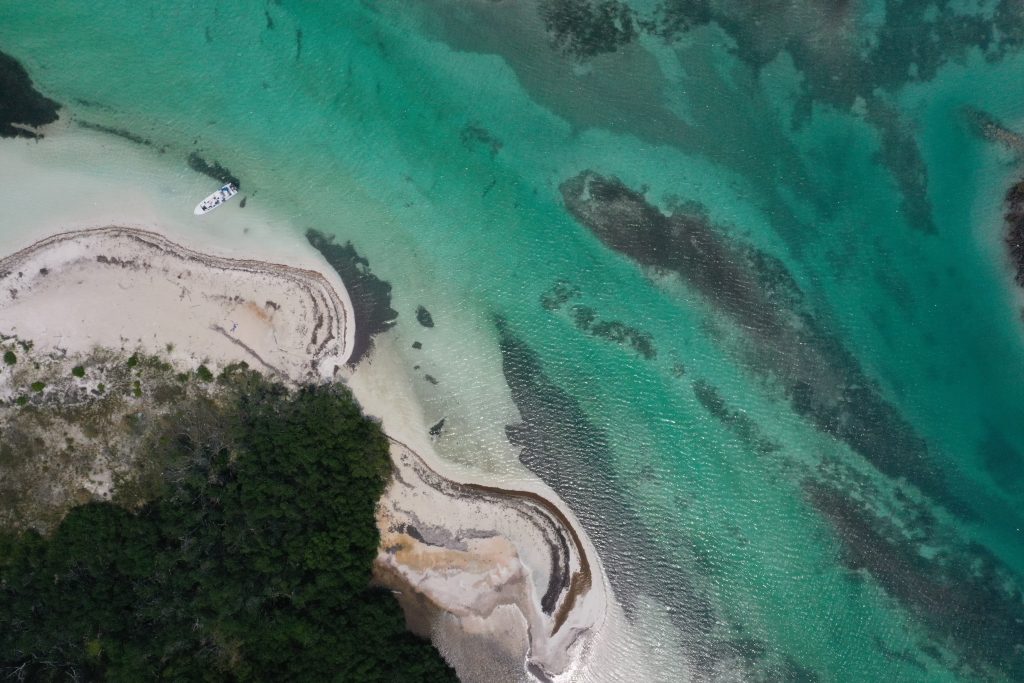
The Integrated Coastal Zone Management (ICZM) Plan (2016) is Belize’s national framework for the sustainable management of its coastal zone. The plan involves mapping ecosystems and human activities, identifying areas of conflict and opportunity, and implementing a zoning system to guide development and conservation efforts. Essentially, the ICZM Plan is a national roadmap for how Belize’s should sustainably manage its coastal zone. The Coastal Zone Management Authority and Institute (CZMAI) is currently leading the updating of the ICZM Plan by November 2025 in fulfillment of the conservation milestones under the Blue Bond Agreement.
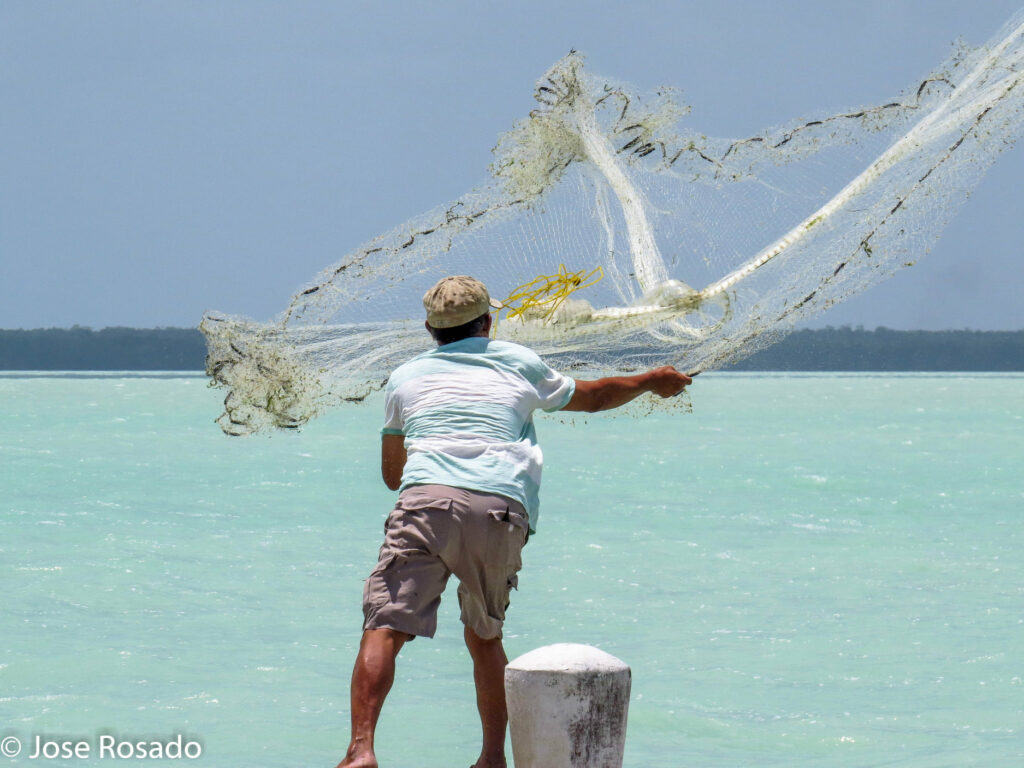
The Fisheries Resources Act (2020) provides the legal foundation for the sustainable management and conservation of Belize’s fisheries resources. It establishes governance structures, including a Fisheries Council, to oversee policy development and resource allocation. The Act regulates fishing activities through licensing, gear restrictions, and catch limits to ensure responsible harvesting and protect vulnerable species. It also includes measures to combat illegal, unreported, and unregulated (IUU) fishing, supports data collection and monitoring, and promotes community involvement in fisheries management.

Belize’s National Fisheries Policy (2020–2024) provides a strategic framework for the sustainable management and development of the country’s fisheries sector. Key priorities include designating and managing Fisheries Priority Areas, enhancing research to support species diversification and value chain development, strengthening enforcement and community stewardship, building institutional capacity, and modernizing governance frameworks to support inclusive participation. Overall, the policy aims to ensure a resilient and sustainable fisheries sector that contributes to national development.
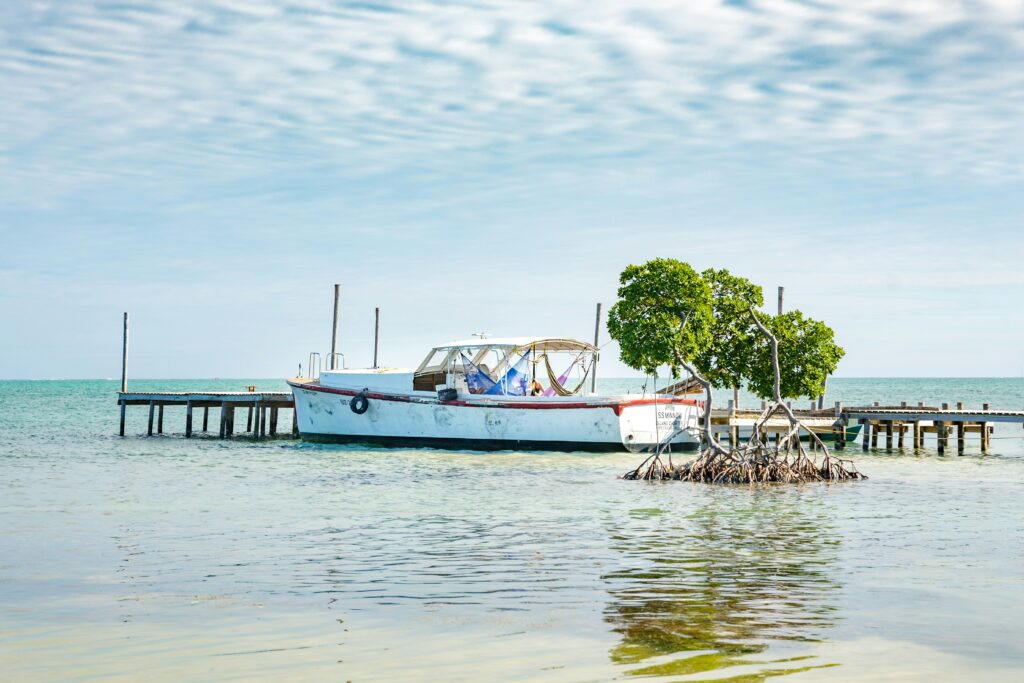
Belize is drafting regulations specifically for mariculture, which will govern aquaculture activities in marine environments. These regulations are being developed under the Fisheries Resources Act and related policies to guide responsible industry growth, promote investment, and ensure environmental protection.
Belize’s NAP for the coastal zone and fisheries sector aims to strengthen resilience against climate change impacts such as sea-level rise, increased storm intensity, coral bleaching, and fish stock depletion. The plan will integrate climate adaptation strategies into the management of coastal ecosystems and fisheries resources. The development of the NAP is currently being led by the Ministry of Blue Economy and Marine Conservation and is expected to be finalized by October 2025.
The Blue Economy Act is a draft legislative framework being developed in Belize to provide the foundation for a sustainable and resilient Blue Economy. It aims to support healthy ecosystems that sustain livelihoods and deliver vital ecosystem services, while incentivizing the sustainability and growth of both existing and emerging ocean-based sectors. Once enacted, the Act will legally establish dedicated institutions, including a Blue Economy Unit, a Blue Economy Commission, and a Blue Economy Cluster, to coordinate policies and actions that align economic development with the conservation and responsible management of Belize’s marine resources.