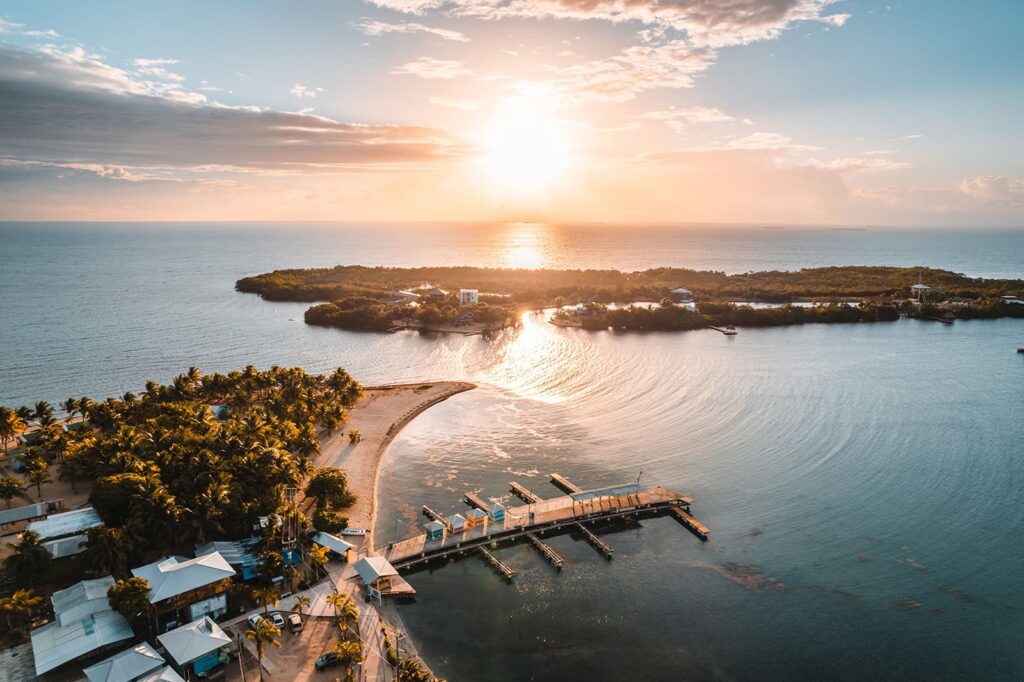
The Blue Economy refers to the sustainable use of ocean and coastal resources to drive economic growth, improve livelihoods, and create jobs while ensuring the health of marine ecosystems. For Belize, the Blue Economy is fundamental due to the country’s vast marine wealth and its dependence on key sectors such as tourism, and fisheries.
The Blue Economy encompasses a wide range of industries, including:
The blue economy aims to balance economic development with environmental conservation, ensuring that Belize’s marine and coastal ecosystems remain productive and healthy for future generations.
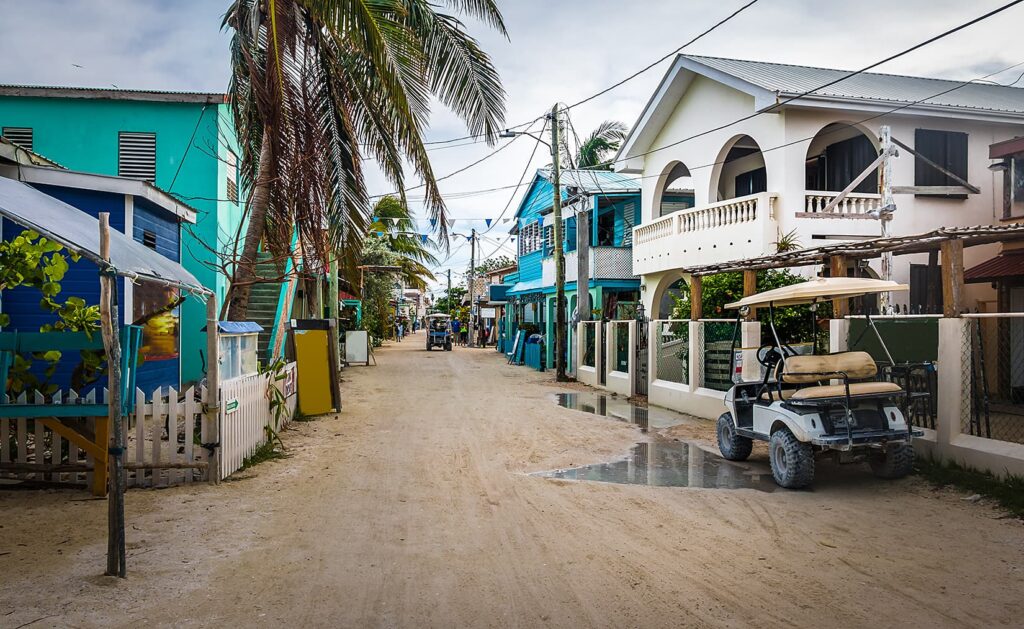
– Mar Fund & IDB
The Blue Economy offers a clear path to diversify the economy, expand livelihood opportunities, and strengthen the country’s ability to respond to climate and economic shocks. The country’s marine resources and natural assets, particularly the Belize Barrier Reef, are central to national identity, culture, and prosperity.
By leveraging its coastal and marine assets, the Blue Economy promotes economic diversification beyond traditional sectors. Marine-based industries such as fisheries, tourism, aquaculture, and maritime transport contribute significantly to national income and employment. Additionally, emerging sectors such as marine biotechnology and maritime energy have the potential to unlock new opportunities for economic growth, innovation, and investment.
– World Resources Institute
Belize’s Blue Economy is deeply intertwined with the health of its marine ecosystems. Approximately 40% of Belize’s population resides in coastal communities, and a significant portion of livelihoods in sectors such as fisheries and tourism are directly tied to marine and coastal resources. Belize has over 2,500 licensed fishers, with thousands more benefiting indirectly through supply chains, and processing.
However, Belize is highly vulnerable to the impacts of climate change. Rising sea levels, warming sea temperatures, intensifying hurricanes, coral bleaching and coastal erosion continue to place pressure on both natural systems and the local communities who depend on them.
Recognizing these challenges, the Blue Economy Framework emphasizes the sustainable management of marine and coastal ecosystems as a core adaptation strategy. Mangroves, seagrass beds, and coral reefs provide critical ecosystem services, including carbon sequestration, shoreline stabilization, and protection against storm surges. These natural defenses are estimated to prevent approximately $500 million in damage annually.
With nearly half of the population living in coastal areas, ensuring the resilience of these regions is a national priority. Belize has adopted forward-thinking and science-based strategies to build resilience such as the Integrated Coastal Zone Management (ICZM) Plan, the Marine Spatial Plan also known as the Belize Sustainable Ocean Plan (BSOP) and the National Adaptation Plan for the Coastal Zone and Fisheries Sector of Belize. Belize’s bold leadership in climate resilience and marine biodiversity protection has attracted support from international partners including the Green Climate Fund, the World Bank, Interamerican Development Bank, the Food and Agriculture Organization and the NAP Global Network to enhance coastal protection, promote sustainable livelihoods, and strengthen capacity at both national and local community levels.
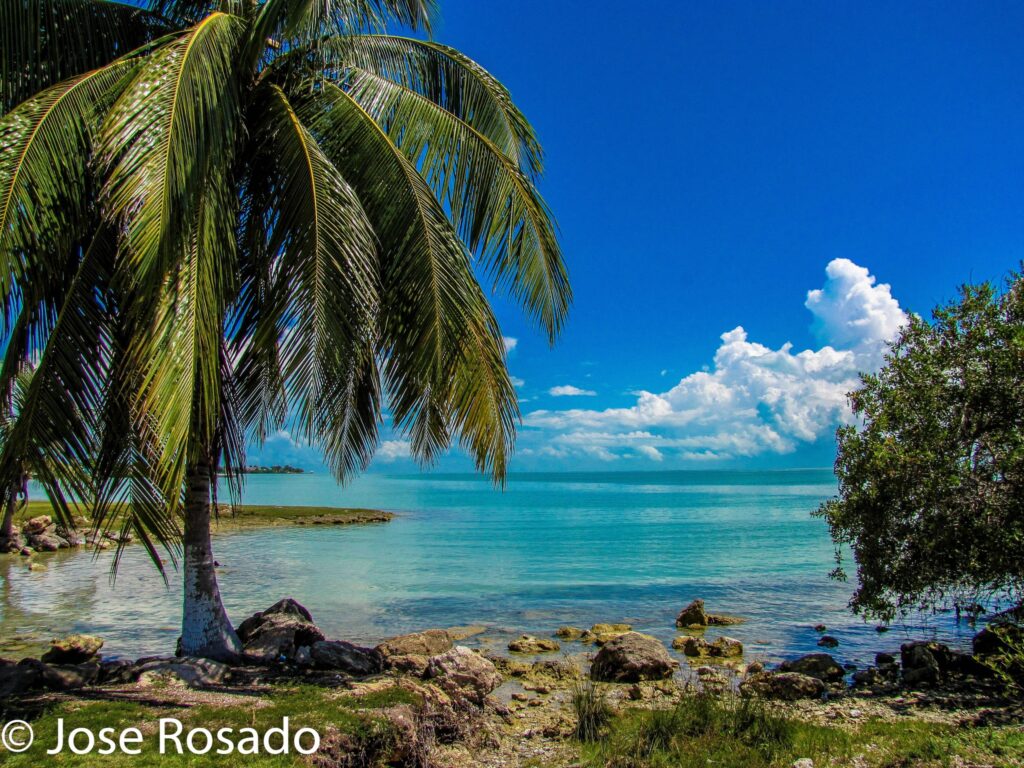
-World Bank
Thousands of Belizeans living along coastal communities depends on the blue space for their livelihoods, food, and way of life. From fishing and tourism to cultural traditions tied to the coast, healthy marine ecosystems are essential to both day-to-day survival and long-term community resilience.
The Ministry recognizes that the Belizeans who live closest to the blue space, are also its most important stewards. That’s why Belize is working to ensure that coastal communities are meaningfully involved in how marine resources are managed and used. This includes creating spaces for local voices in planning processes, building capacity at the community level and supporting sustainable and alternative livelihoods to sustainably utilize the environmental resources. This inclusive approach ensures that communities have a voice in decision-making processes, fostering a sense of ownership and responsibility towards their natural resources.
Environmentally, the Blue Economy framework ensures the sustainable management of marine and coastal ecosystems, which are under increasing threat from climate change. Belize’s mangroves, seagrass beds, and coral reefs provide essential ecosystem services, including carbon sequestration, shoreline stabilization, and protection against storm surges. These natural defenses are estimated to deliver approximately $500 million each year in avoided damages, making ecosystem conservation a cost-effective adaptation strategy.